Why Change Summary
VFQ Cheat Sheet: Why Change? (The VFQ Case for Transformation) 💡
This cheat sheet summarises the core concepts from the Emergn publication, "Why change?", which introduces the Value, Flow, Quality® (VFQ) education program.
1. The Imperative for Change
The Core Problem: "Software Is Eating The World." The marketplace is evolving rapidly due to technology and disruption (e.g., Amazon vs. traditional retail). Organizations must adapt their models and delivery approaches to survive.
Failures of Current Practice: * Poor Performance: High percentage of projects are either challenged or fail entirely (cost overruns, missed deadlines). * Costly Mistakes: Traditional large-scale projects often result in massive financial losses (e.g., high-profile corporate re-brands, large-scale system deployments). * Knowledge Work Mismanagement: Relying on practices (rules of thumb) developed for simpler, repeatable manufacturing environments is ill-suited for modern, creative knowledge work.
2. The Flawed Traditional Model
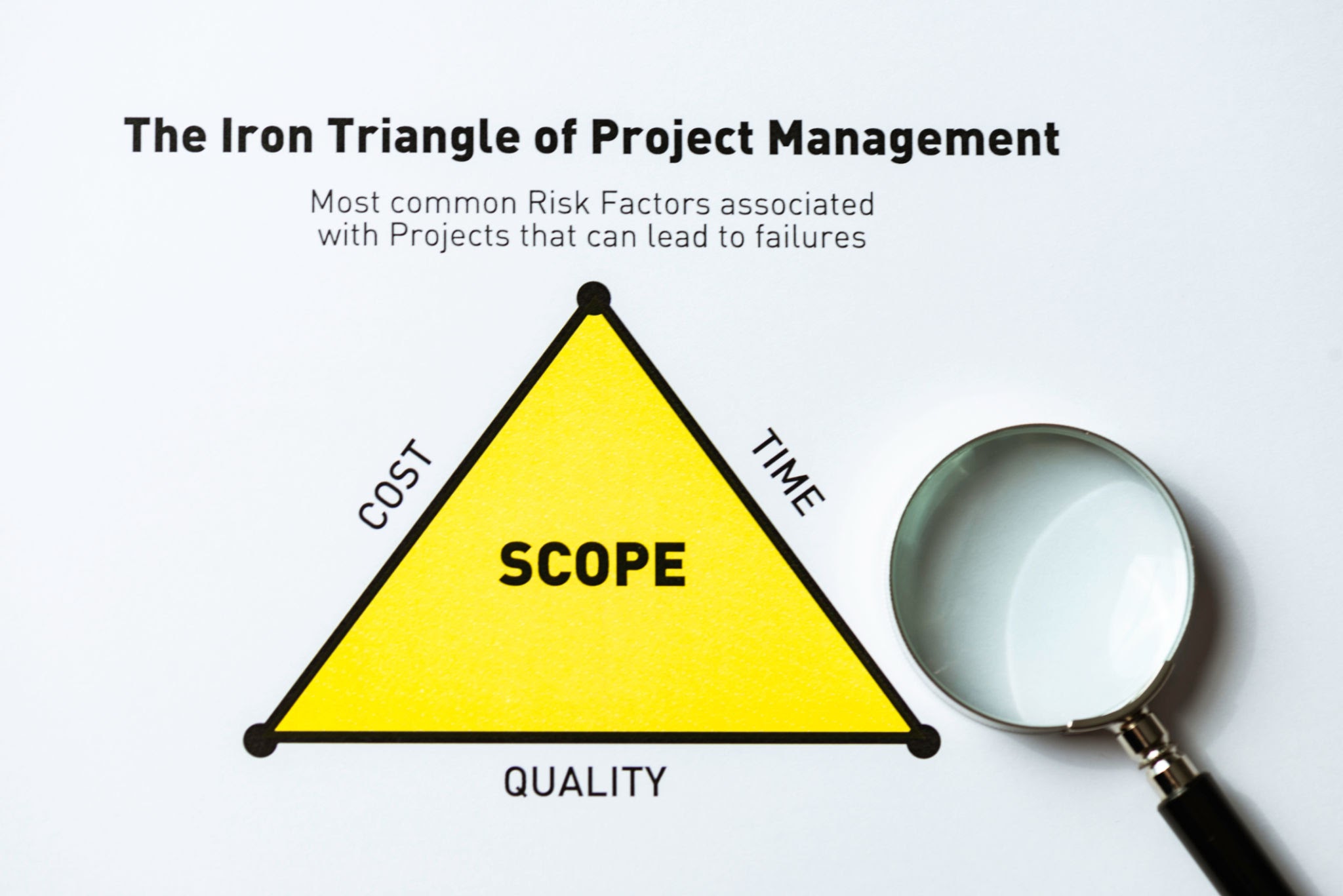
The traditional approach to project management centers on the "Iron Triangle," which forces trade-offs between three constraints:
| Traditional Constraint | Problematic Focus | Unintended Consequence |
|---|---|---|
| Cost | Fixed up-front budget | Prevents early investment in value. |
| Time | Fixed delivery date | Encourages cutting scope and squeezing quality. |
| Scope | Fixed requirements | Assumes perfect requirements can be gathered up-front, leading to rework. |
The Result: By treating these three as fixed, the essential element of Quality is often neglected or sacrificed, resulting in poor outcomes.
3. The VFQ® Principles (The New Guiding Focus)
The Value, Flow, Quality® (VFQ) principles replace the flawed Iron Triangle by shifting focus to continuous improvement and customer-centric delivery.
| VFQ Principle | Goal | Breaks the Traditional Constraint... |
|---|---|---|
| 1. Deliver Value Early and Often | Focus on small, frequent deliveries that provide business value and measurable results. | Cost (by generating returns early). |
| 2. Optimise the Flow of Work End-to-End | Reduce delays, hand-offs, and waste to speed up the time it takes to get an idea to the customer. | Time (by making the organization faster). |
| 3. Discover Quality with Fast Feedback | Build quality in and learn quickly from customers and users to refine products. | Scope (by acknowledging that initial requirements are rarely perfect). |
4. Implementing Change
Change is difficult due to organizational resistance and reliance on familiar but flawed intuitive rules. VFQ advocates for a new approach to embed change:
| Concept | Description |
|---|---|
| Work-Based Learning | Learning and change are most effective when applied directly to real work, not just in classrooms. |
| "Probe, Sense, Respond" | The iterative approach to change management: Test small changes, learn from failures, and prove success by consensus to shift the organizational culture gradually. |
| Prove by Consensus | Change is accepted when people see the positive results for themselves and agree on the new way forward. |